What “body type” means here
In this calculator, “body type” refers to a frame/structure tendency: smaller joints often trend ecto, medium trends meso, and larger joints trend endo. It’s about structure more than appearance.
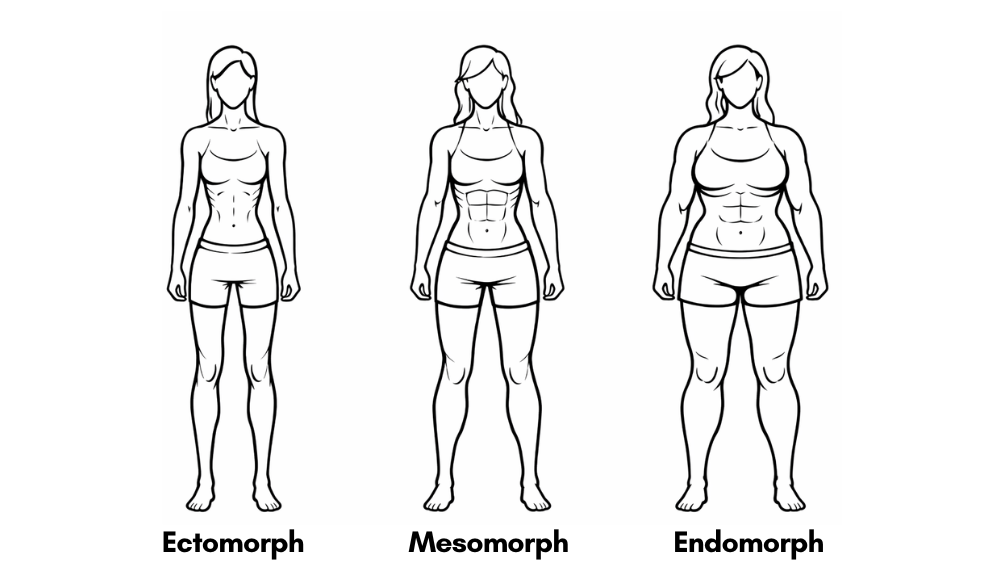
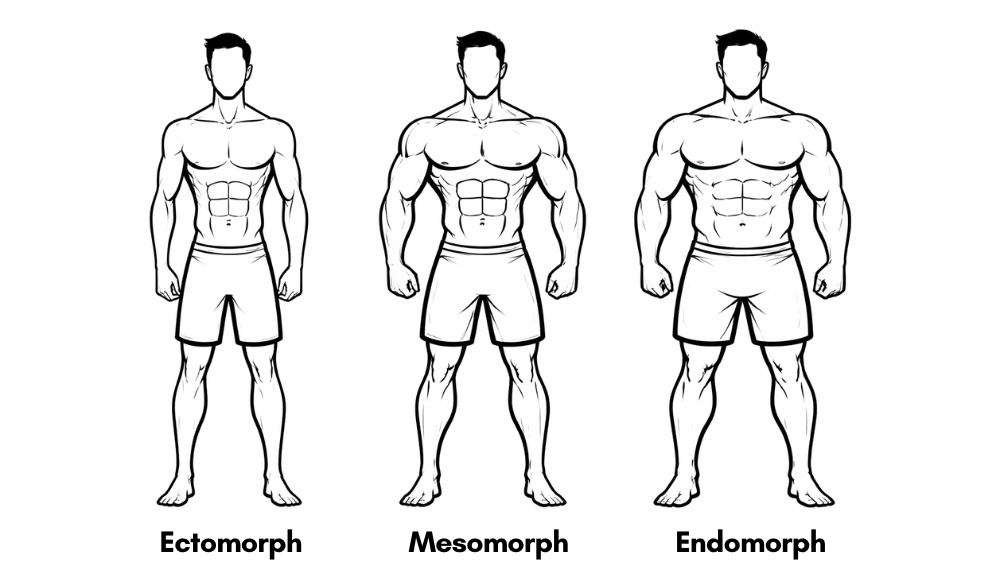
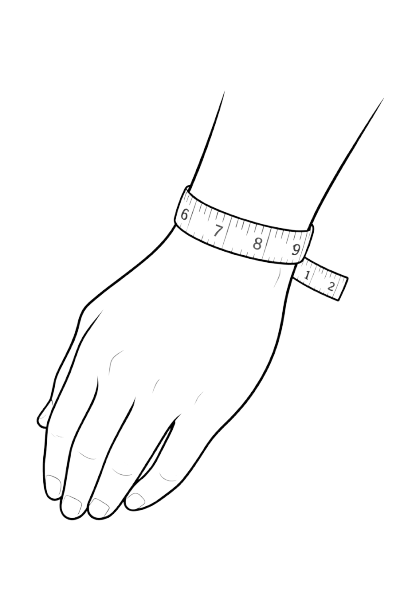
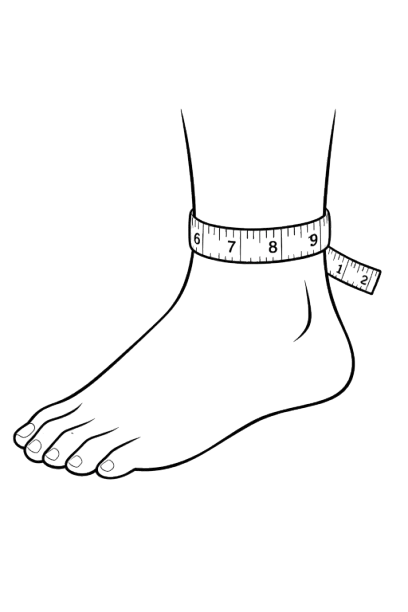
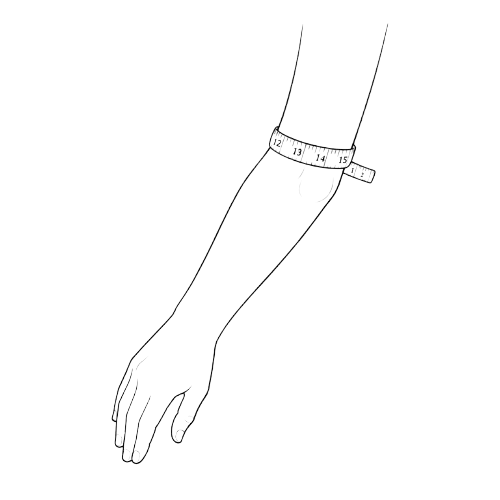
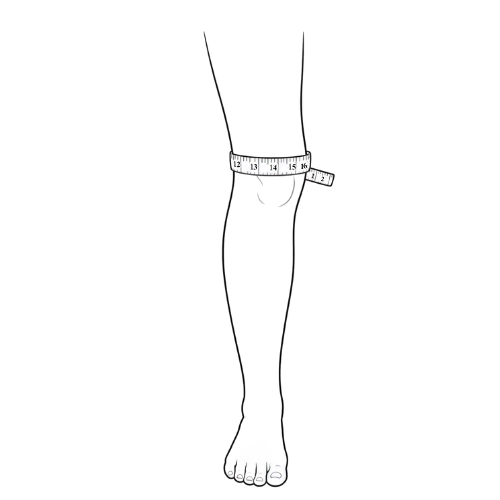
Estimates your frame tendency (ectomorph / mesomorph / endomorph) using mostly bone-structure proxies (wrist, ankle, elbow, knee), with an optional body-fat correction.
This tool estimates your frame tendency (ecto / meso / endo) using mostly bone-structure proxies (wrist, ankle, elbow, knee) relative to your height. It’s not a “label for life” - it’s a practical snapshot of how your structure may influence training and weight change.
In this calculator, “body type” refers to a frame/structure tendency: smaller joints often trend ecto, medium trends meso, and larger joints trend endo. It’s about structure more than appearance.
At higher body-fat levels, some circumferences can be inflated by soft tissue. If you know your body fat %, the model can apply a conservative correction mainly to ankle and knee to reduce false “large frame” readings.
If you don’t know your body fat %, leave this off - your frame estimate will still work.
Your habits matter more than your label - the result is a starting point for smarter decisions.
If your readings feel “on the border”, don’t stress - being between types is normal.
Not exactly. Body type (frame) is about structural tendency (joints/frame). Body shape is more about where measurements sit (waist/hips/shoulders) and proportions. They answer different questions - both can be useful.
Your bone structure doesn’t change much, but your look and performance absolutely can. Muscle gain, fat loss, posture, and training style can dramatically change how you appear and move.
Many people carry more fat or muscle that changes appearance. This tool focuses on frame signals, not visual stereotypes. Also, measurement error (tape tightness, location) can shift the estimate - try re-measuring calmly.
Only if you already know your body fat % and you’re on the higher side. Otherwise, leave it off - the calculator is designed to work without it.
Frame signals won’t change fast, so there’s no need to do this frequently. Re-test only if you believe your measurements were off, or after a major body composition change.
Have more questions? Visit the full FAQs.