What “body shape” means here
“Body shape” refers to your measurement pattern (where you carry width), not your fitness level, health status, or worth. Two people can share the same shape and look completely different.
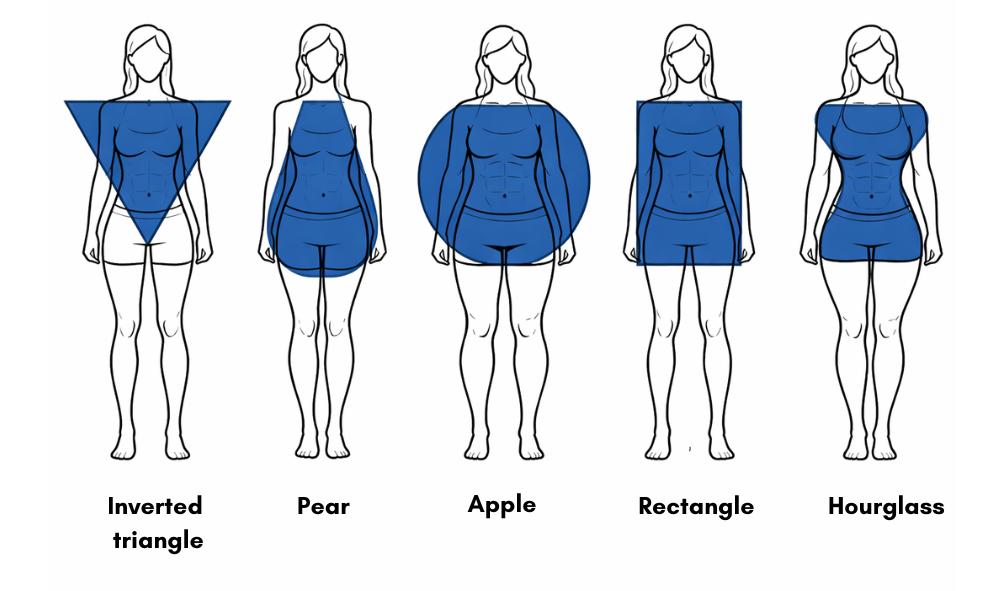
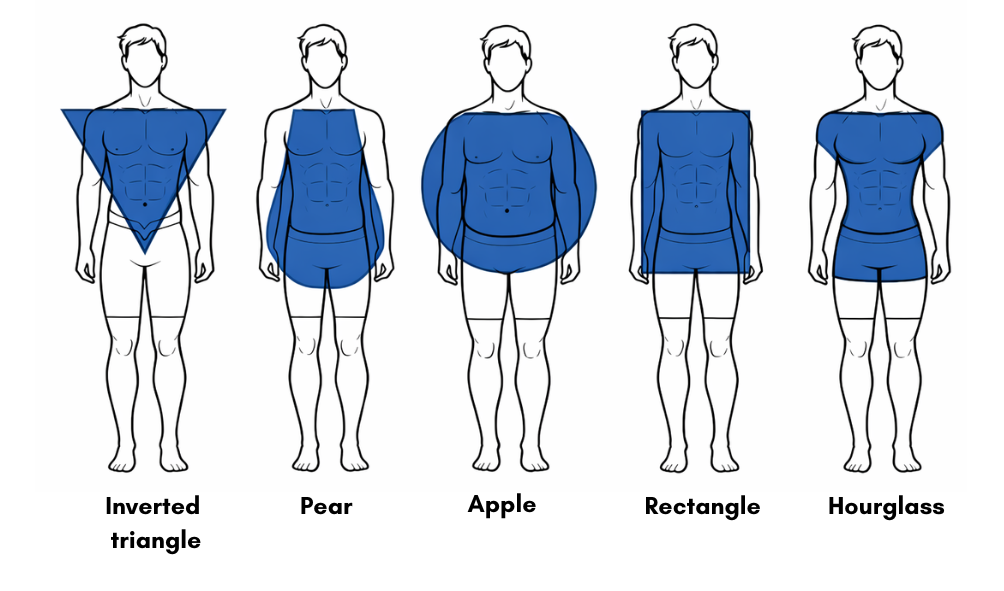
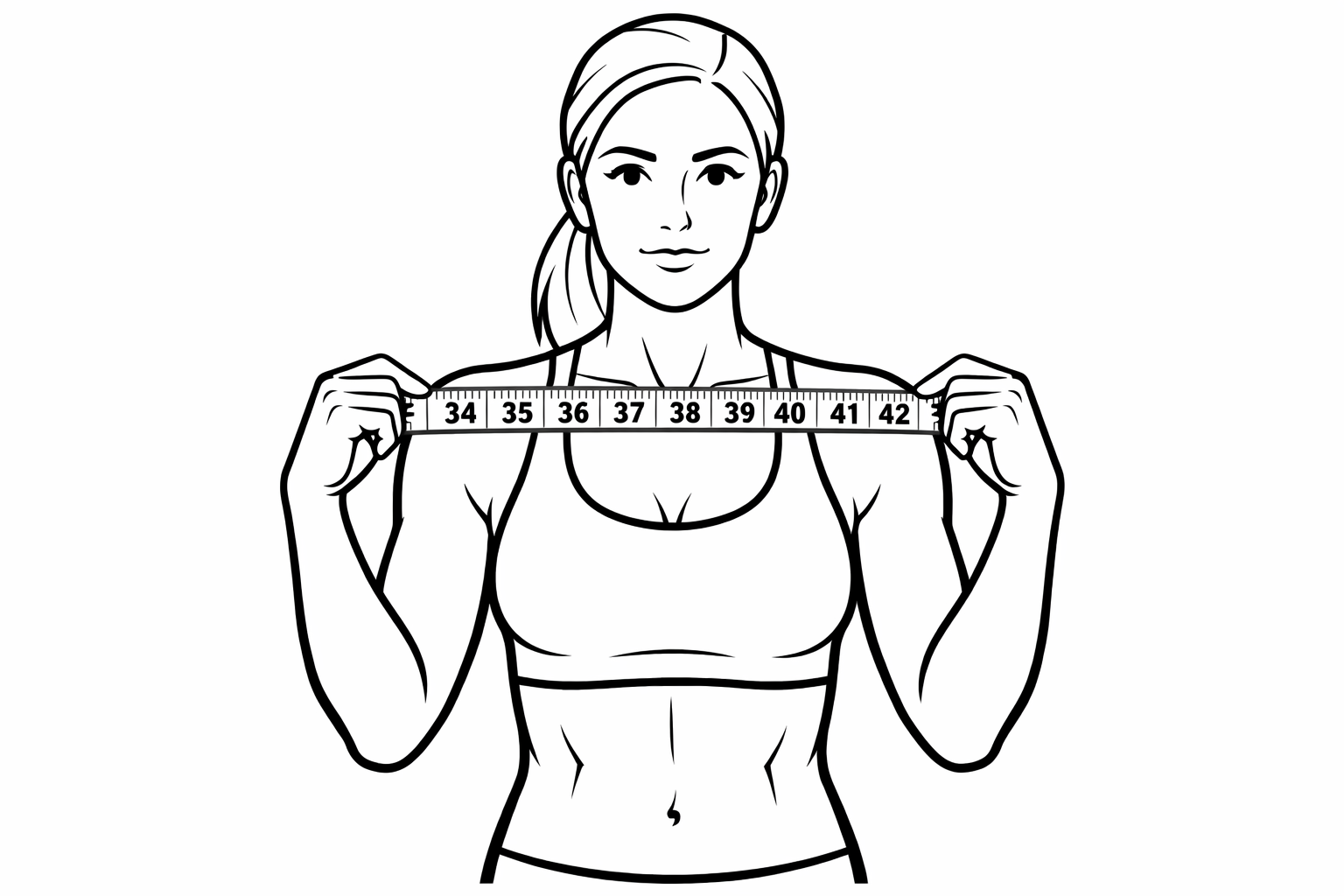
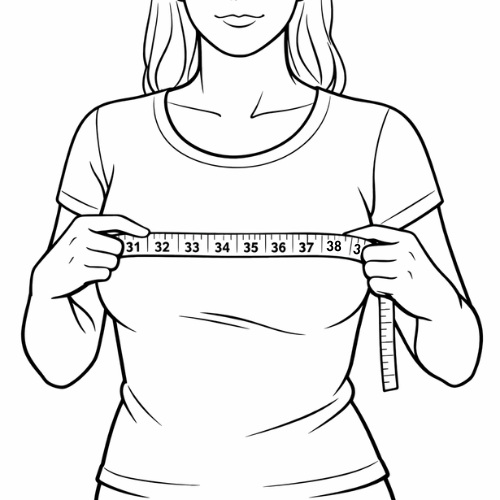
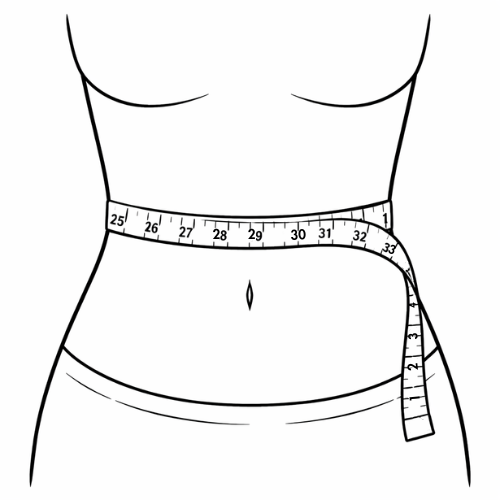
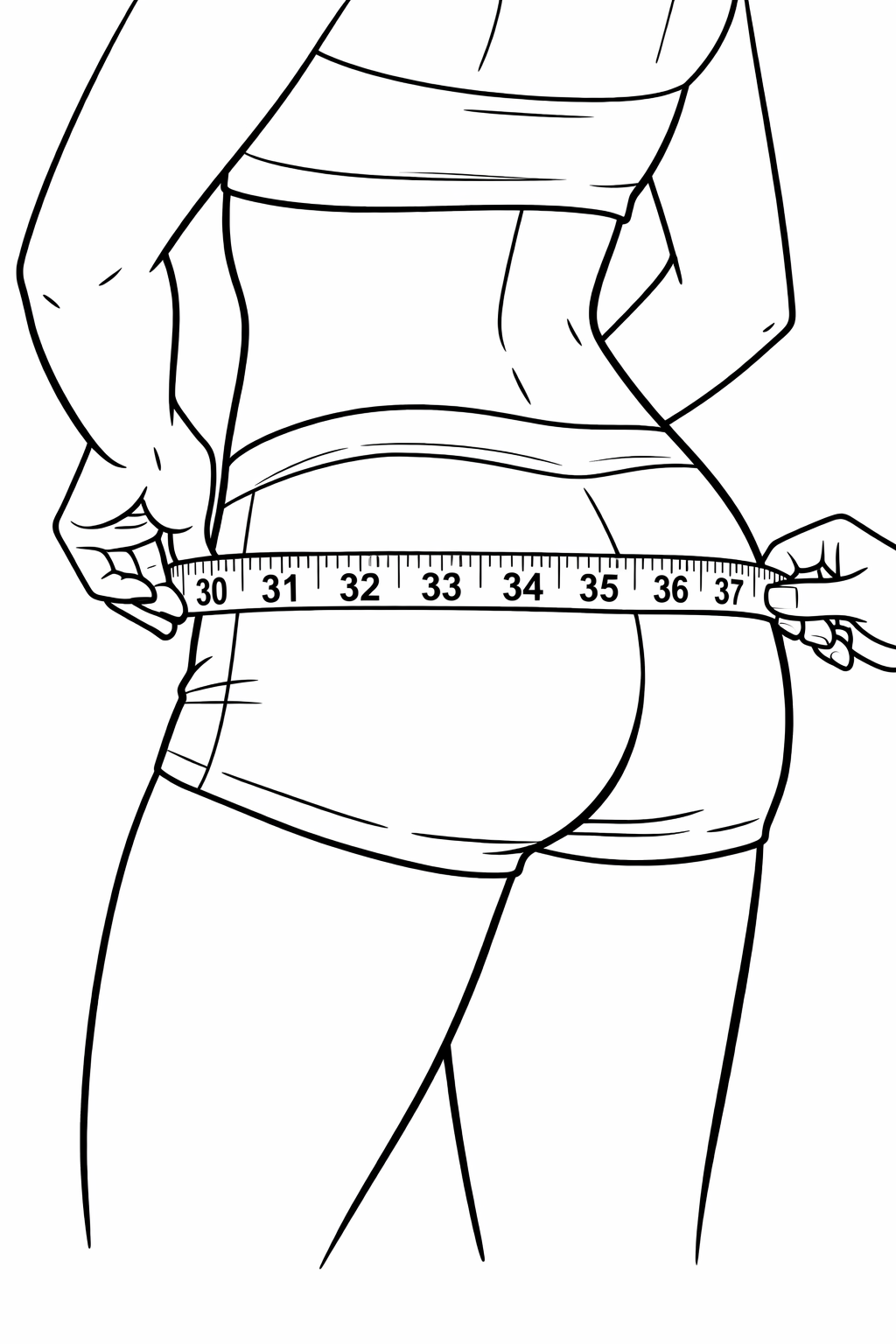
Enter your shoulders, bust/chest, waist and hips to estimate your body shape based on proportions.
This tool estimates your body shape using simple proportions between your shoulders, bust/chest, waist, and hips. It’s not about “good” or “bad” shapes - it’s a quick way to understand how your measurements distribute.
“Body shape” refers to your measurement pattern (where you carry width), not your fitness level, health status, or worth. Two people can share the same shape and look completely different.
Your shape can shift over time - especially with muscle gain, fat loss, and posture changes.
Borderline outcomes are normal - small measurement differences can switch categories.
No. Body shape is about proportions (shoulders/waist/hips). Body type (frame) is more about bone-structure tendency (wrist/ankle/knee/elbow). They answer different questions.
Yes. Muscle gain, fat loss, and posture changes can shift your proportions over time. The categories are not permanent.
That’s common. If your numbers are close, treat the result as a spectrum. Re-measure calmly and use the same method each time.
For this calculator, measure around the widest part of your shoulders/delts, keeping the tape level. (That matches how bust/waist/hips are taken.)
Only if you’re tracking changes - for example every 4–8 weeks during a training or cut phase. Otherwise, once is enough.
Have more questions? Visit the full FAQs.